Game Over: How Brexit and Digital Disruption Killed UK's Gaming Icon
Game Over: How Brexit and Digital Disruption Killed UK's Gaming Icon
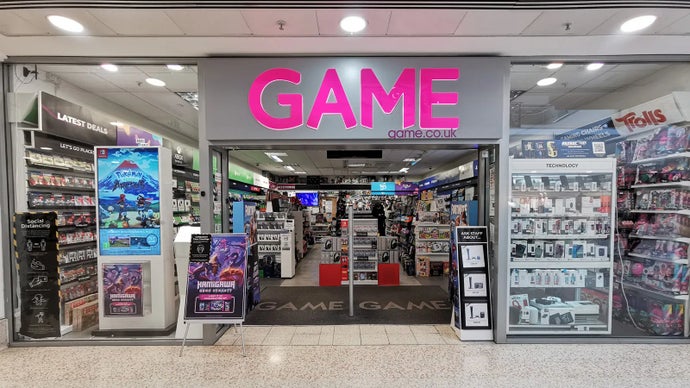
For decades, Game stood as a pillar of British high street gaming culture. Yet the beloved retailer's dramatic fall into administration in 2020, saddled with a staggering £16 million debt, wasn't simply a matter of bad luck. A newly released report has finally shed light on the perfect storm that toppled this gaming institution, revealing three critical factors: fierce digital competition, rapidly changing consumer behaviour, and the lingering shadow of Brexit uncertainty.
The Perfect Storm
The collapse of Game represents more than just another retail casualty of the digital age. For collectors and enthusiasts who've built relationships with staff and relied on physical retail experiences, it symbolises the end of an era. The company that once dominated UK gaming retail couldn't adapt quickly enough to survive.
According to the report, shifting consumer preferences proved particularly damaging. The rise of digital distribution platforms—from Steam to PlayStation Network—fundamentally transformed how gamers purchase titles. Meanwhile, the convenience of online retailers like Amazon undercut Game's pricing on physical media. Younger audiences increasingly opted for instant digital downloads over trips to the high street, leaving Game's traditional business model increasingly obsolete.
Brexit's Hidden Toll
Yet broader economic headwinds compounded these operational challenges. Brexit uncertainty created a ripple effect throughout the UK retail sector. Supply chain complications, currency fluctuations, and consumer confidence issues made trading conditions increasingly precarious for a company already struggling against digital-native competitors.
For game collectors specifically, Game's demise represented a significant blow. The retailer had long served as a reliable source for physical releases, pre-orders, and exclusive editions—essentials for serious collectors building their libraries. The loss of this high street presence coincided with physical media's perceived decline, though recent years have seen renewed interest in tangible game collections among nostalgic gamers.
Lessons for the Industry
Game's story offers crucial lessons for what remains of physical game retail. Surviving retailers must now emphasize community building, exclusive merchandise, and experiences that digital platforms cannot replicate. The resurgence of retro gaming and collector interest suggests demand still exists—but only for retailers willing to evolve beyond their original business model.
While Game's UK stores have since been resurrected under new ownership, the original company's failure serves as a cautionary tale about adapting to industry disruption. For collectors mourning the loss of the Game they knew, it's a reminder that even iconic retailers aren't immune to digital transformation.
Source: Eurogamer
More news