Slay the Spire 2's New Boss Aeonglass Gets the Spotlight in Developer Deep Dive
Slay the Spire 2's New Boss Aeonglass Gets the Spotlight in Developer Deep Dive
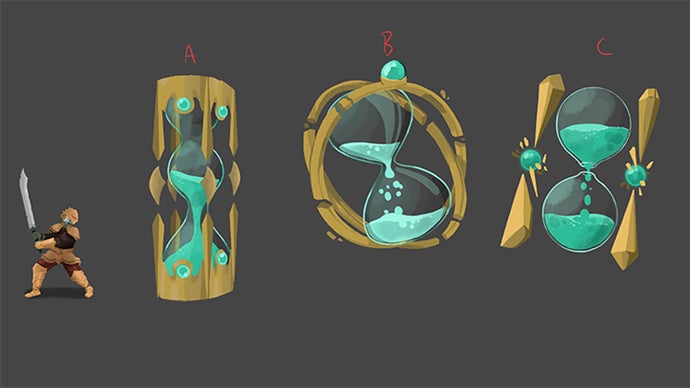
Mega Crit Games has pulled back the curtain on the creative process behind Aeonglass, the striking new Act 3 boss that replaced Doormaker in Slay the Spire 2. The developer recently shared exclusive artwork and concept designs that showcase the thought and iteration that went into bringing this formidable foe to life.
For players invested in the roguelike deck-builder's endgame experience, this reveal is particularly significant. Boss encounters form the backbone of Slay the Spire's challenge, and the late-game bosses especially dictate how players approach their deck construction. The decision to replace Doormaker—itself part of a series of late-game reworks—signals that Mega Crit remains committed to keeping Act 3 encounters fresh and engaging as the game approaches launch.
Why This Matters for the Community
Slay the Spire has cultivated one of the most dedicated communities in indie gaming, with players constantly theorycrafting optimal strategies against specific boss patterns. Each boss removal or redesign sparks widespread discussion about balance, difficulty spikes, and meta-shifts. For collectors and enthusiasts who've followed the game's Early Access journey, these iterative changes represent the developer's meticulous approach to game design.
The visual overhaul from Doormaker to Aeonglass isn't merely cosmetic—it fundamentally changes how players perceive and interact with this late-game challenge. Aeonglass's design appears to communicate its mechanical identity more clearly through its aesthetics, a hallmark of good game design that Mega Crit has consistently demonstrated.
The Iterative Process
By sharing concept artwork and design documents, Mega Crit offers valuable insights into how modern indie developers approach boss creation. The progression from initial sketches to final implementation reveals the countless refinements necessary to achieve both visual impact and mechanical clarity. For aspiring game designers and collectors interested in development practices, these materials represent invaluable documentation of the creative process.
This transparency also reflects the evolving relationship between developers and communities during extended Early Access periods. Rather than keeping changes shrouded in mystery, Mega Crit actively involves players in understanding the 'why' behind their decisions.
Looking Forward
With Slay the Spire 2 continuing its Early Access journey, fans can expect more boss encounters to receive similar attention and potential reworks. The commitment to late-game boss quality suggests that Act 3 will offer a compelling and challenging conclusion to each run.
For collectors following the game's development, these artistic reveals add another layer of documentation to preserve and appreciate as part of the game's legacy.
Source: Eurogamer
More news