Nintendo Fights Back Against Tariff Refund Lawsuit in U.S. Court
Nintendo Fights Back Against Tariff Refund Lawsuit in U.S. Court
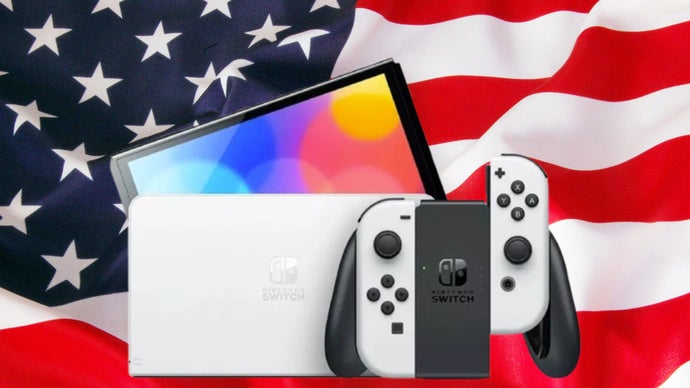
In a significant development for gaming consumers and collectors, Nintendo has moved to dismiss a lawsuit filed by two U.S. gamers seeking refunds over alleged illegal tariff-related price increases. The case highlights the ongoing tension between consumers, corporations, and government trade policies—a situation that has increasingly affected the gaming industry and hardware collectors.
The Background
The controversy traces back to August 2025, when Nintendo announced price increases for the original Nintendo Switch console and various Switch 2 peripherals. While the company attributed the hikes to "market conditions," it quickly became apparent that the increases were directly tied to newly imposed U.S. tariffs on Chinese-manufactured goods. For collectors and casual players alike, the sudden price jump felt like a gut punch, particularly as the Switch entered its later lifecycle stages.
Unlike some companies that absorbed tariff costs, Nintendo passed the burden directly to consumers. This decision sparked frustration within the gaming community, prompting two gamers to take legal action based on the premise that if tariffs were subsequently deemed illegal, customers deserved compensation.
Nintendo's Defense Strategy
Nintendo's core argument in seeking dismissal centers on a straightforward premise: customers received what they "bargained for." The company maintains that buyers obtained the products and services they purchased, regardless of the underlying cost structure or tariff implications. From Nintendo's perspective, there's no breach of contract or consumer fraud because the physical goods were delivered as promised.
Why This Matters for Collectors
For the collector community and gaming enthusiasts, this case represents something larger than a single pricing dispute. It touches on questions of corporate responsibility, consumer rights, and how external economic factors influence the gaming market. Collectors often make significant financial commitments to acquire hardware, and unexpected price hikes can genuinely impact purchasing decisions and collection strategies.
The outcome could establish important precedent for how companies handle tariff-related price adjustments. If Nintendo successfully dismisses the case, it may embolden other gaming manufacturers to pass tariff costs directly to consumers without concern for legal consequences. Conversely, if the lawsuit proceeds, it might encourage companies to be more transparent about cost structures or consider alternative solutions.
Looking Forward
As geopolitical trade tensions continue affecting manufacturing costs globally, the gaming industry remains vulnerable to similar situations. Whether Nintendo prevails in court or not, this case underscores the complex relationship between international economics and consumer pricing in the gaming space—something every collector and enthusiast should be monitoring closely.
Source: Nintendo Life
More news