Nintendo Refuses to Share Tariff Refunds with Consumers
Nintendo Refuses to Share Tariff Refunds with Consumers
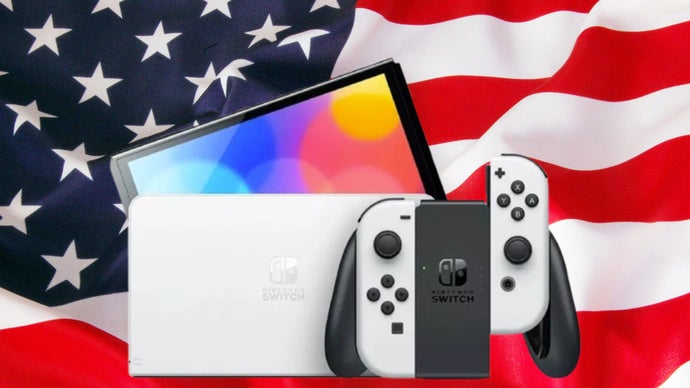
Nintendo has made a bold legal stand against a class-action lawsuit seeking refunds for customers who paid inflated prices on Nintendo Switch consoles. The company argues it has no obligation to pass along tariff-related refunds to consumers, claiming that buyers received exactly "what they bargained and paid for."
This dispute stems from Nintendo's 2022 decision to raise Switch prices in response to increased US import tariffs on Chinese electronics. Consumers who purchased at these elevated prices now argue they deserve compensation if Nintendo receives tariff refunds from the US government—money that, in their view, should be passed back to those who bore the initial financial burden.
The Collector Community Pays Attention
For game collectors and enthusiasts, this case carries particular significance. Many of you made substantial investments in Nintendo hardware at premium prices, potentially influenced by tariff-driven cost increases. The outcome could set a precedent for how major gaming companies handle pricing transparency and consumer protection during economic shifts.
Nintendo's legal argument is straightforward but controversial: since customers knew the asking price when they made their purchase, they owe nothing. The company maintains that tariffs were an external factor reflected honestly in retail pricing, and that paying the advertised amount constitutes a complete transaction with no outstanding obligations.
Broader Industry Implications
This situation highlights an ongoing tension in the gaming industry between corporate interests and consumer protection. When companies raise prices due to external economic pressures, should they share government refunds with the consumers who paid those inflated prices? It's a question that extends beyond Nintendo to encompass the entire sector's pricing practices.
The lawsuit represents an important consumer rights case that gaming enthusiasts should monitor closely. If Nintendo prevails, it could embolden other manufacturers to similarly resist refunding customers during future economic disruptions. Conversely, if the lawsuit succeeds, it might establish consumer-friendly precedent for tariff-related disputes.
What's Next?
Nintendo's motion to dismiss the case suggests the company is confident in its legal position. However, the very existence of this lawsuit demonstrates that consumers increasingly expect corporate accountability, especially when external circumstances create pricing disparities.
For collectors who purchased Switch consoles during the tariff period, this remains an active legal battle worth following. The outcome could influence how gaming companies handle future pricing decisions and whether consumers have legitimate claims to refunds when circumstances change.
Source: Eurogamer
More news